
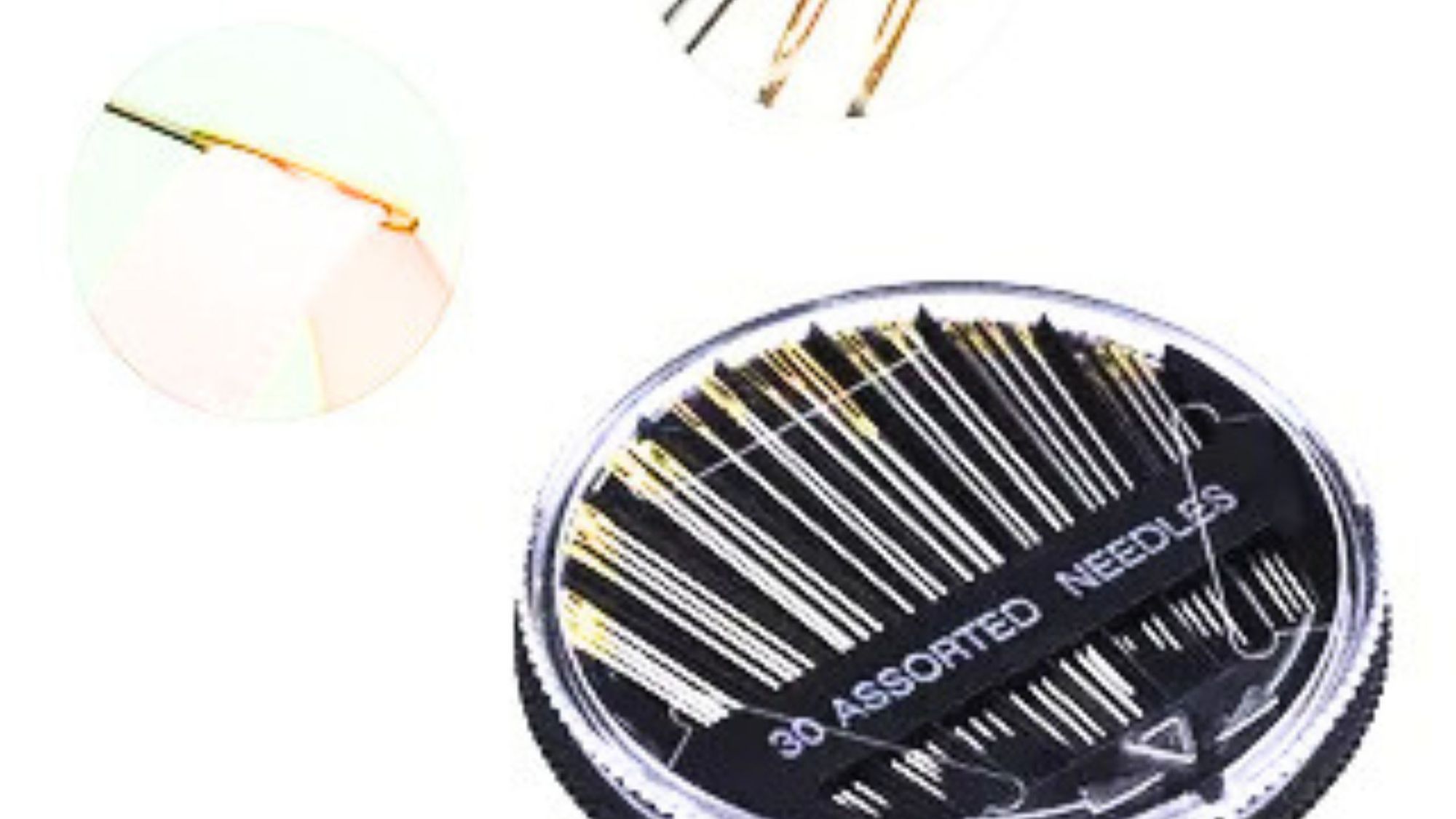
Embroidery is more than just thread and fabric. It is a craft that comes alive with the right tools, and at the heart of it all are the needles. Choosing the right embroidery needle may sound simple, but it can make or break your project. Whether you are hand-stitching a design or working with a machine, understanding needle types, sizes, and uses is essential. This guide will walk you through the key things you should know before you buy embroidery needles and how it connects to creating beautiful embroidery patterns for sale.
Table of Contents
- Why the Right Needle Matters
- Hand Embroidery Needles Explained
- Machine Embroidery Needles and Their Role
- Needle Sizes and Fabrics
- Tips Before You Buy Embroidery Needles
- Key Takeaway
Why the Right Needle Matters
Think of a needle as a bridge between your thread and fabric. The wrong choice can cause snags, uneven stitches, or even damage your fabric. On the other hand, the right needle makes your stitching smooth, helping your design look professional. That is why crafters who regularly buy embroidery needles always pay attention to the type and size that match their project.
Hand Embroidery Needles Explained
Hand embroidery relies on sharp needles with larger eyes to make it easier for thick threads to pass through. Some common types include:
- Crewel Needles: Sharp with a medium-length shaft, great for most hand embroidery stitches.
- Tapestry Needles: Have blunt tips and larger eyes, often used for cross-stitch or counted thread patterns.
- Chenille Needles: Thick with very sharp tips, perfect for heavier threads.
When you work with hand embroidery, comfort matters. Choosing a needle that feels right in your hand can keep your stitching stress-free and enjoyable.
Machine Embroidery Needles and Their Role
Machine embroidery is faster but requires specialized needles. These needles have a slightly rounded tip that slides between fabric threads without tearing them. The eye is often larger to accommodate embroidery thread. Key machine embroidery needle types include:
- Universal Needles: Work for general machine stitching, but not always ideal for embroidery.
- Embroidery Needles: Designed specifically to handle decorative threads, reducing thread breakage.
- Ballpoint Needles: Good for stretchy fabrics, avoiding damage to fibers.
When choosing your machine, always check the fabric type and thread thickness. The wrong needle can lead to skipped stitches or broken designs.
Needle Sizes and Fabrics
Size plays a major role in how needles interact with fabric. A smaller size works for lightweight materials like silk, while larger sizes are needed for denim or canvas. Matching the size to your fabric avoids holes that look messy or stitches that pull too tight. As a rule, finer threads go with smaller needles, while thicker threads need larger ones.
Tips Before You Buy Embroidery Needles
Before shopping, keep these tips in mind:
- Check Your Project: Look at your embroidery pattern first. Is it delicate or bold? The pattern will guide the type of needle you need.
- Know Your Thread: Match the thread thickness to the needle eye so the thread passes through easily.
- Stock a Variety: It is smart to keep multiple needle sizes handy, especially if you often explore embroidery patterns for sale or create your own.
- Replace Regularly: Needles dull over time. A dull needle can damage fabric and make your work look uneven.
Important NOTE!
Embroidery may seem like a simple craft, but the details matter. The needle you choose affects every stitch, whether you are hand-embroidering or using a machine. Before you buy embroidery needles, think about your fabric, thread, and design. With the right needle, you can bring embroidery patterns for sale or personal projects to life with smooth, neat, and beautiful results!